

2027 Toyota 4Runner: What's Changing, Release Date and Pricing for New York Drivers
Published September 3, 2026 · Last updated September 3, 2026
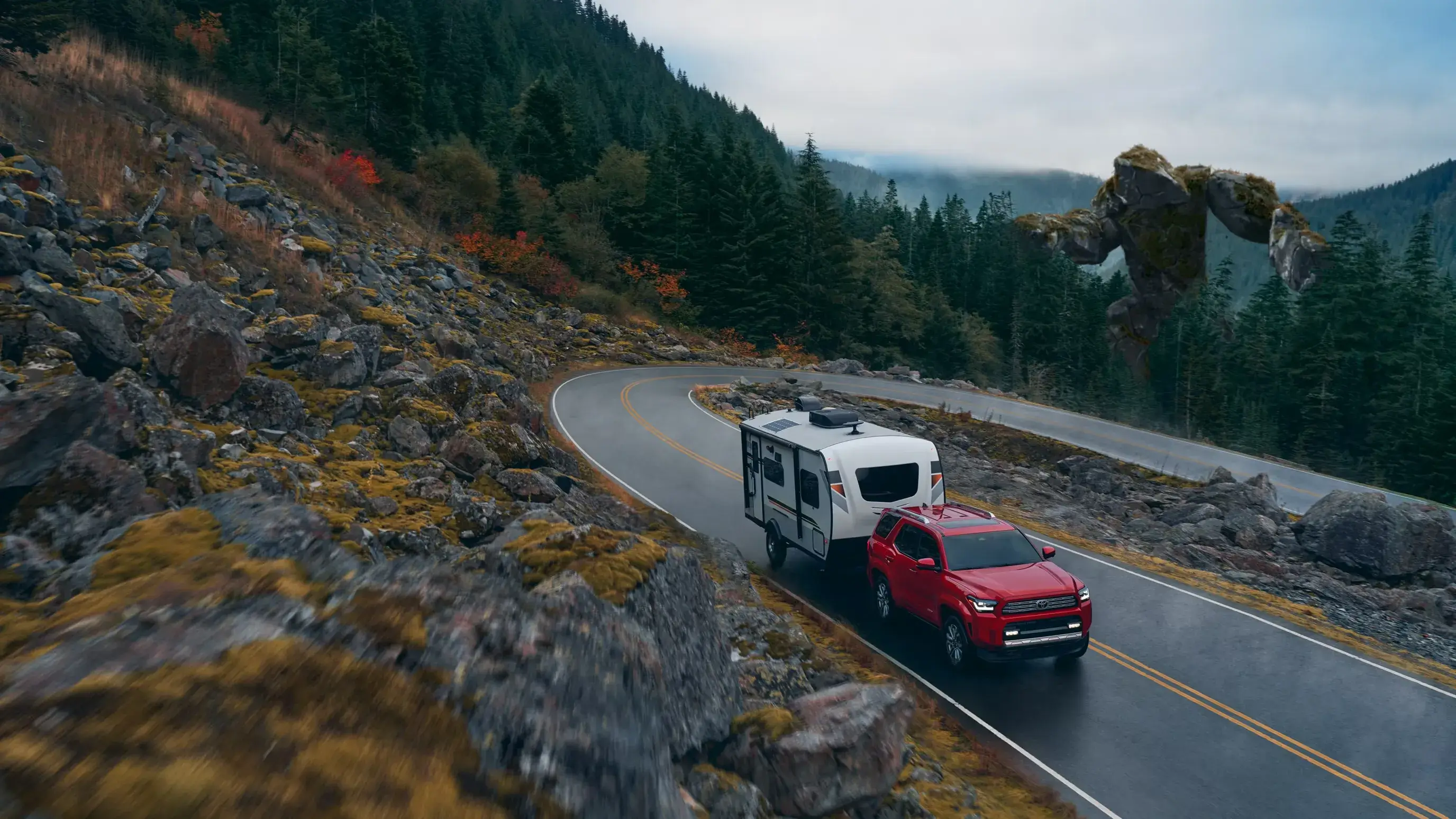
The 4Runner has spent forty-two years being the answer to a specific question: what do you drive when the pavement runs out? For New Yorkers, the pavement runs out somewhere past Kingston, or at the end of a gravel road in the Poconos, or at a boat ramp on the eastern end of Long Island. The 2027 model doesn't reinvent that answer. It sharpens the case for buying now rather than waiting.
What's changing on the 2027 Toyota 4Runner?
Very little, and that is the honest answer rather than a diplomatic one. The 4Runner was redesigned from the frame up for 2025. Toyota does not touch a two-year-old platform, and the 2027 car arrives as a carryover with the powertrains, chassis, cabin architecture and nine-grade lineup intact.
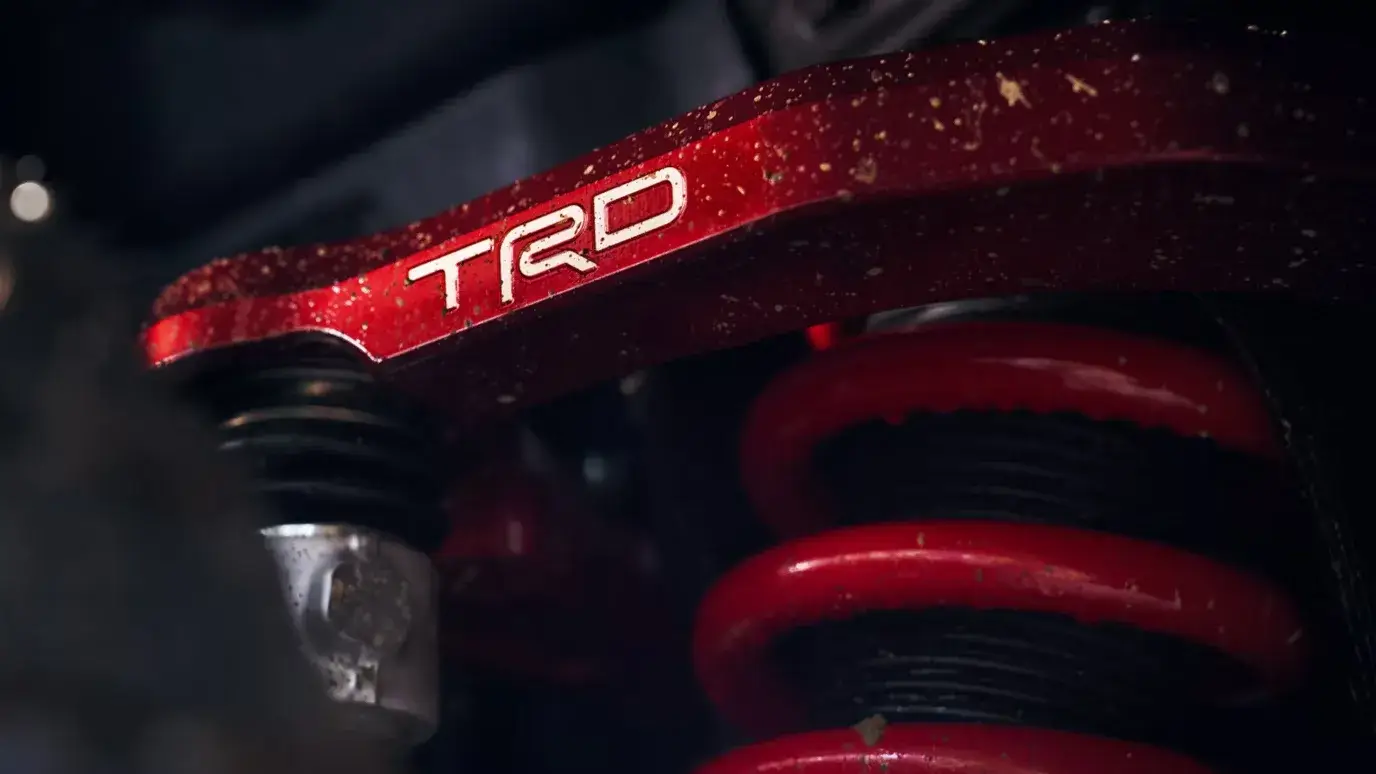
What Toyota did confirm is the annual TRD Pro color, and for 2027 it is a rich golden-yellow called Hot Honey — 4Runner-exclusive, replacing the Wave Maker blue that defined the 2026 TRD Pro. The Tacoma, Tundra and Sequoia get a related shade named Honeycomb; the 4Runner gets its own tuning of the color to suit its more upright body. Neither is available on any grade below TRD Pro. Toyota also made red tow hooks standard across the TRD Pro range.
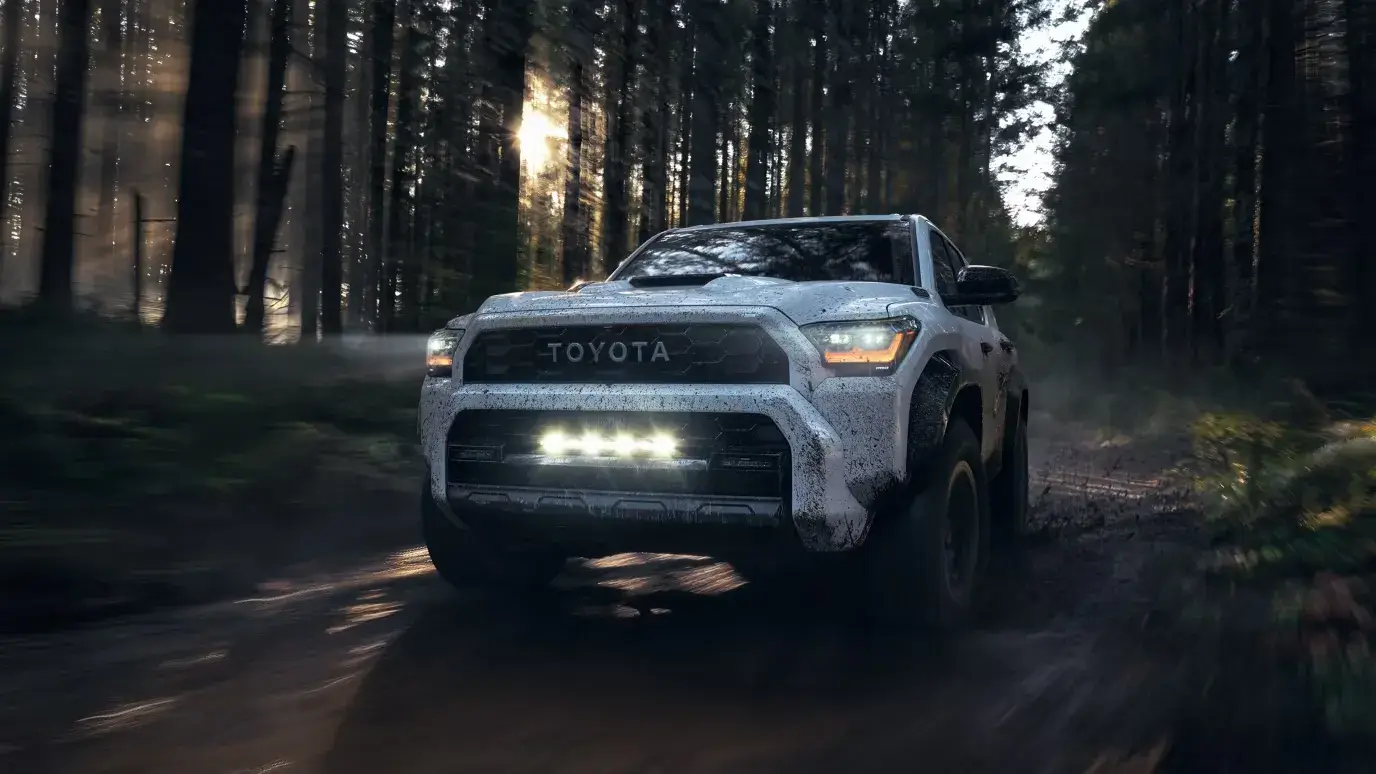
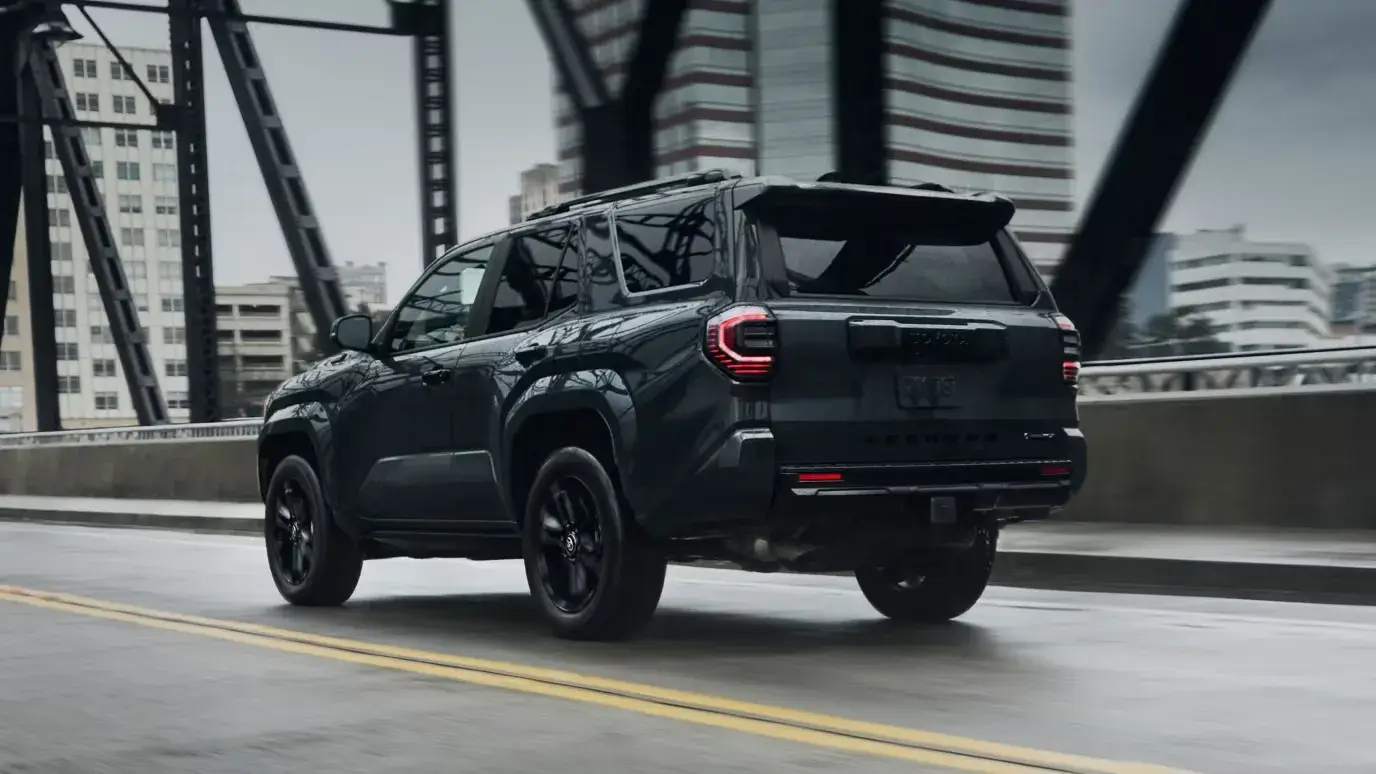
Beyond paint, the industry expectation is the usual third-year housekeeping: reshuffled option packages, possibly a wheel design or a cabin material swap. Reporting on the 2027 model has pointed to modest package restructuring rather than new content. Nobody in the trade is predicting new hardware, and the reason is straightforward — the 2025 redesign gave this truck a decade of runway.
The color deserves a note that has nothing to do with taste. TRD Pro colors run for a single model year and then disappear permanently. Voodoo Blue, Lime Rush, Terra, Mudbath — each one now commands a premium on the used market precisely because Toyota never repeated it. If a Hot Honey TRD Pro is what you want, the window to order one closes when 2027 production does.
When is the 2027 Toyota 4Runner release date?
Release timing at a glance
- Announced: partially — the Hot Honey TRD Pro color and TRD Pro hardware updates were confirmed July 28, 2026. Full grade-by-grade specifications and pricing come closer to production.
- Ordering: dealer order banks for the 2027 4Runner opened at the start of September 2026, in line with Toyota's normal cadence for this nameplate.
- Showroom arrival: fall 2026. The 2027 model year follows the same calendar the 2026 car did, which puts first New York deliveries weeks away rather than months.
- Order of arrival: volume grades — SR5, TRD Sport and TRD Off-Road — historically fill dealer allocation first. Trailhunter and TRD Pro trickle in.
- Allocation reality: TRD Pro and Trailhunter run on constrained allocation nationally, and waits of several months are common in the Northeast. Hot Honey will not change that in your favor.
- What to do now: tell us the grade, drivetrain and color you want and we will flag the first matching allocation the moment it lands. No deposit, no obligation.
There is a pattern worth understanding here, and it applies to every nameplate we sell. The weeks around a model-year changeover are frequently the strongest weeks to buy the outgoing car, because factory support concentrates on remaining stock while the new build ramps. A 2026 4Runner bought in September is mechanically identical to a 2027 4Runner bought in December, minus one paint code. Our lease specials and current manufacturer incentives show exactly where that stands this month.
Will the 2027 Toyota 4Runner cost more?
Almost certainly, and the expected amount is small. Toyota has not published 2027 pricing, but analysts covering the model have pointed to an increase in the neighborhood of $800 across most of the lineup, which is consistent with what the 4Runner absorbed moving from 2025 to 2026. For scale, Toyota's sibling Land Cruiser moved just $280 for 2027.
Working from confirmed 2026 numbers, the lineup opens at $41,570 for the rear-drive SR5 and tops out at $67,900 for the TRD Pro, with a destination charge in the $1,450 to $1,595 range depending on grade. An $800 move on a $50,000 truck is under two percent, and it is smaller than most of this segment has taken for 2027.
Here is the part that matters more than the sticker. Kelley Blue Book named the 4Runner the SUV with the best resale value in America for 2026, projecting it to retain 58 percent of its value after five years — the highest figure of any SUV on the market, and one of only ten vehicles overall on KBB's list. An $800 increase on a truck that gives back nearly six of every ten dollars at year five is not the number to fixate on.
2027 Toyota 4Runner trims compared
Nine grades is a lot, and the lineup is not a straight climb from cheap to expensive. It forks: TRD Sport grades chase on-road behavior, TRD Off-Road grades chase trail hardware, Limited and Platinum chase comfort, and Trailhunter and TRD Pro chase two very different kinds of extreme. Pick the fork first, then the rung.
| Grade | Powertrain | Drivetrain | MPG (city/hwy/comb) | Ground clearance | Seats | 2026 starting MSRP |
|---|---|---|---|---|---|---|
| Gas i-FORCE grades | ||||||
| SR5 | 2.4L i-FORCE turbo, 278 hp / 317 lb-ft | RWD (4WD +$2,000) | 20/26/22 RWD · 19/25/21 4WD | 8.1 in | 5 or 7 | $41,570 |
| TRD Sport | 2.4L i-FORCE turbo | RWD (4WD +$2,000) | 20/26/22 RWD · 19/25/21 4WD | 8.8 in | 5 | $48,050 |
| TRD Off-Road | 2.4L i-FORCE turbo | 4WD standard | 19/25/21 | 9.1 in | 5 | $49,990 |
| TRD Sport Premium | 2.4L i-FORCE turbo | RWD (4WD +$2,000) | 20/26/22 RWD · 19/25/21 4WD | 8.8 in | 5 | $53,410 |
| TRD Off-Road Premium | 2.4L i-FORCE turbo | 4WD standard | 19/25/21 | 9.1 in | 5 | $56,070 |
| Limited | 2.4L i-FORCE turbo | RWD (full-time 4WD available) | 20/24/22 RWD · 20/24/21 4WD | 8.8 in | 5 or 7 | $56,200 |
| i-FORCE MAX hybrid grades | ||||||
| TRD Off-Road Hybrid | i-FORCE MAX, 326 hp / 465 lb-ft | 4WD standard | 23/24/23 | 9.1 in | 5 | $52,790 |
| TRD Off-Road Premium Hybrid | i-FORCE MAX, 326 hp / 465 lb-ft | 4WD standard | 23/24/23 | 9.1 in | 5 | $58,870 |
| Limited Hybrid | i-FORCE MAX, 326 hp / 465 lb-ft | Full-time 4WD | 23/24/23 | 8.8 in | 5 | $61,000 |
| Platinum | i-FORCE MAX standard | Full-time 4WD | 23/24/23 | 8.8 in | 5 | $63,660 |
| Trailhunter | i-FORCE MAX standard | 4WD standard | 23/24/23 | 10.1 in | 5 | $67,700 |
| TRD Pro | i-FORCE MAX standard | 4WD standard | 23/24/23 | 10.1 in | 5 | $67,900 |
Two structural rules govern that table. The hybrid is a roughly $2,800 option on TRD Off-Road, TRD Off-Road Premium and Limited, and it is standard equipment — not optional — on Platinum, Trailhunter and TRD Pro. And every i-FORCE MAX 4Runner is four-wheel drive; there is no rear-drive hybrid.
The value pick, for what our own floor traffic suggests and what most outside reviewers land on, is the TRD Off-Road. It brings the locking rear differential, Multi-Terrain Select and Crawl Control — the hardware that actually changes what the truck can do — without the Trailhunter or TRD Pro premium.
How the 2027 4Runner compares with the previous generation
Plenty of New Yorkers reading this are driving a fifth-generation 4Runner right now, because those trucks refuse to die. That generation ran from 2010 through 2024 essentially unchanged, and the gap between it and the current one is the widest in the nameplate's history.
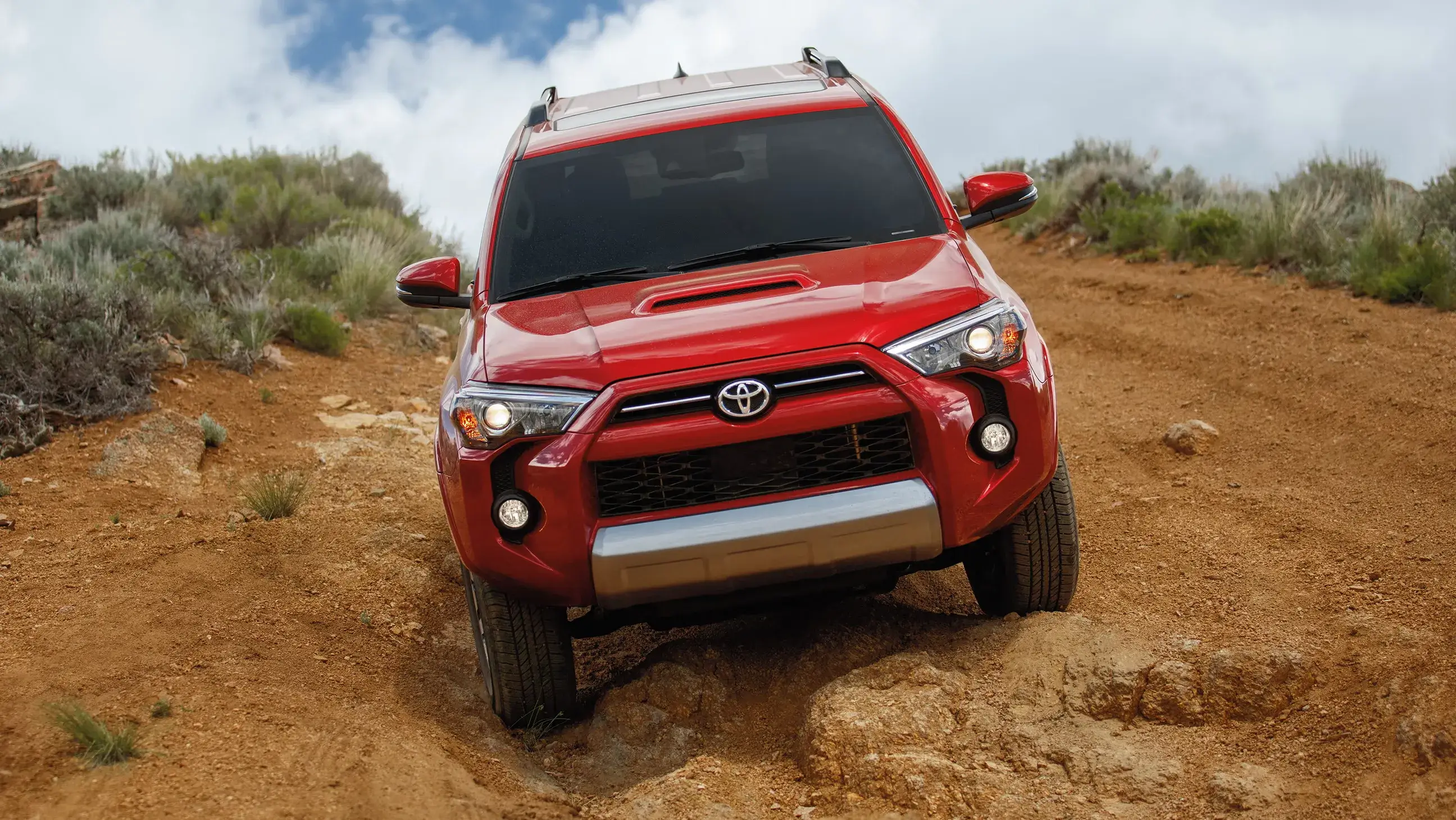

The old truck ran a naturally aspirated 4.0-liter V6 making 270 horsepower and 278 lb-ft through a five-speed automatic. The current one runs a turbocharged 2.4-liter four making 278 horsepower and 317 lb-ft through an eight-speed, or the i-FORCE MAX hybrid making 326 horsepower and 465 lb-ft. The torque gap is where you feel it — 187 lb-ft more in hybrid form, delivered far lower in the rev range.
Fuel economy is the other chasm. A 2024 4Runner returned 16/19/17 mpg. The current gas truck manages 20/26/22 with rear drive, and the hybrid returns 23/24/23. On a round trip to Lake Placid, that difference is real money. Towing climbed from 5,000 pounds to 6,000 pounds, which is the difference between leaving the boat home and bringing it.
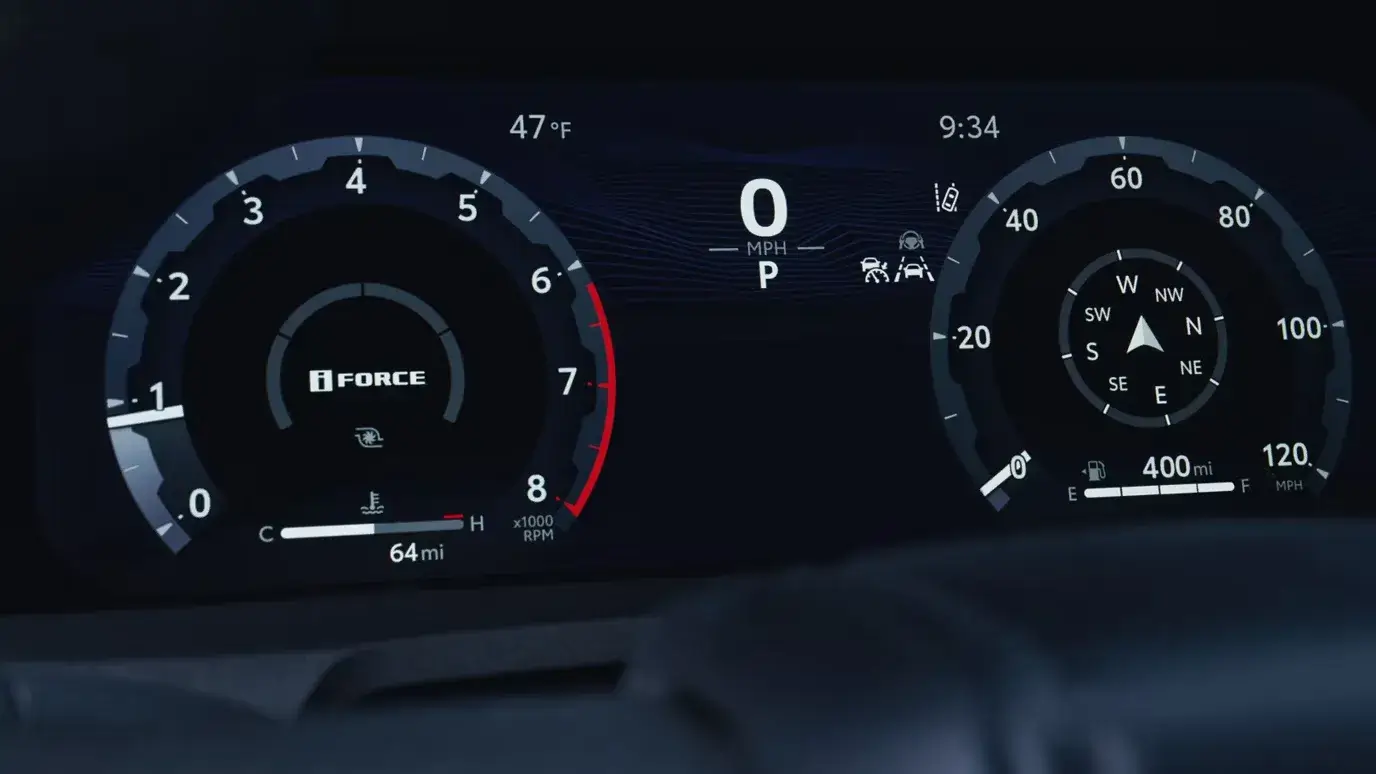
Inside, the old truck's cabin was a monument to 2010: small screens, hard plastics, a driving position that felt trucklike in the least flattering sense. The current one offers a 14-inch touchscreen, a 12.3-inch digital cluster, wireless smartphone integration and available ventilated seats. Highway noise dropped noticeably. What Toyota did not change is the part that matters — it is still body-on-frame, still has a two-speed transfer case with genuine low range, and still has a rear window that rolls down into the tailgate.
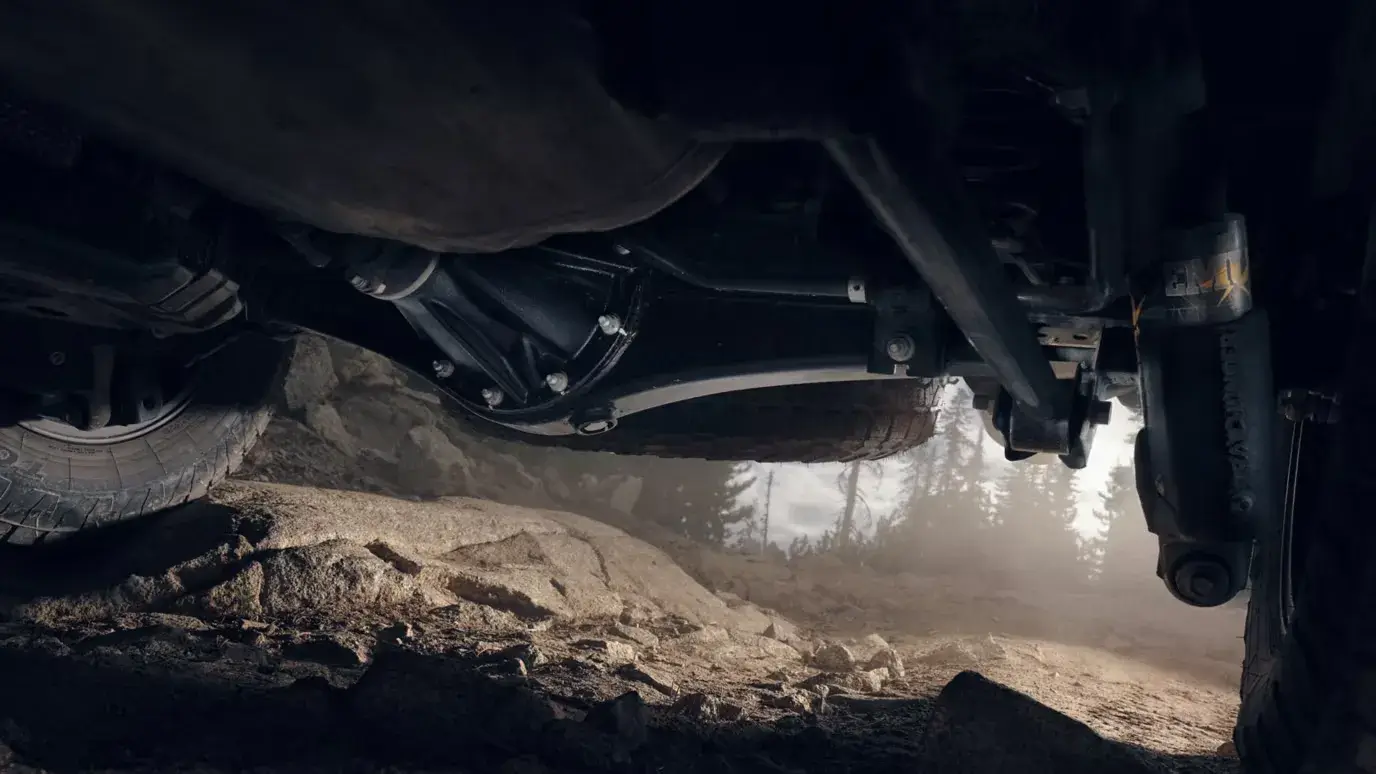
Two engines, and how to choose between them
The standard 2.4-liter i-FORCE turbo makes 278 horsepower and 317 lb-ft and pairs with an eight-speed automatic. MotorTrend clocked a rear-drive SR5 to 60 mph in 7.3 seconds, with four-wheel-drive TRD Off-Road and Limited models at 7.8 and 7.9 seconds. That is comfortably quick for a two-and-a-half-ton body-on-frame SUV.
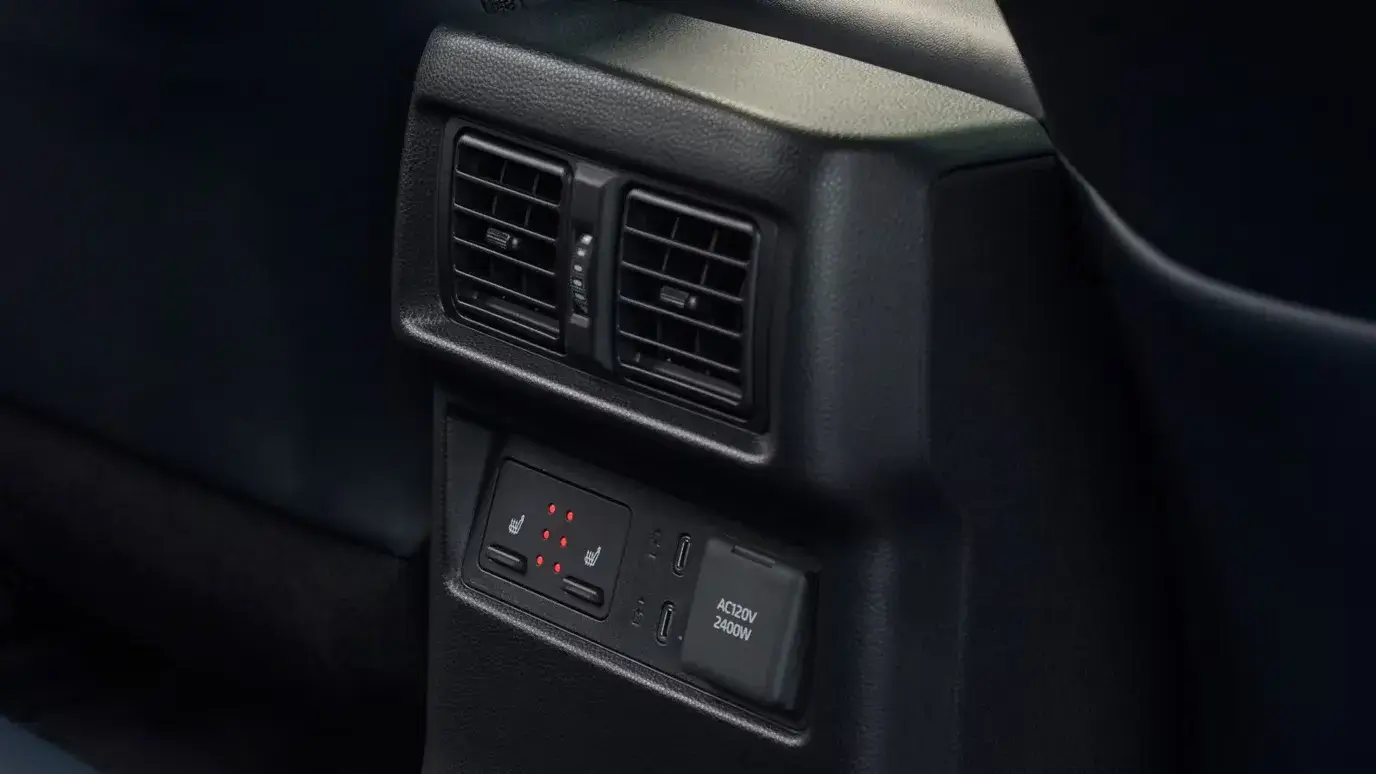
The i-FORCE MAX adds a 48-horsepower electric motor and a 1.87-kWh nickel-metal hydride battery for 326 horsepower and 465 lb-ft combined. Choose it for torque, not for fuel savings — the combined-MPG gain over a four-wheel-drive gas truck is 23 versus 21. What you get instead is a truck that pulls away from a light with a trailer behind it without the engine working hard, and a standard 2,400-watt AC power supply that will run a compressor, a cooler or a laptop at a campsite.
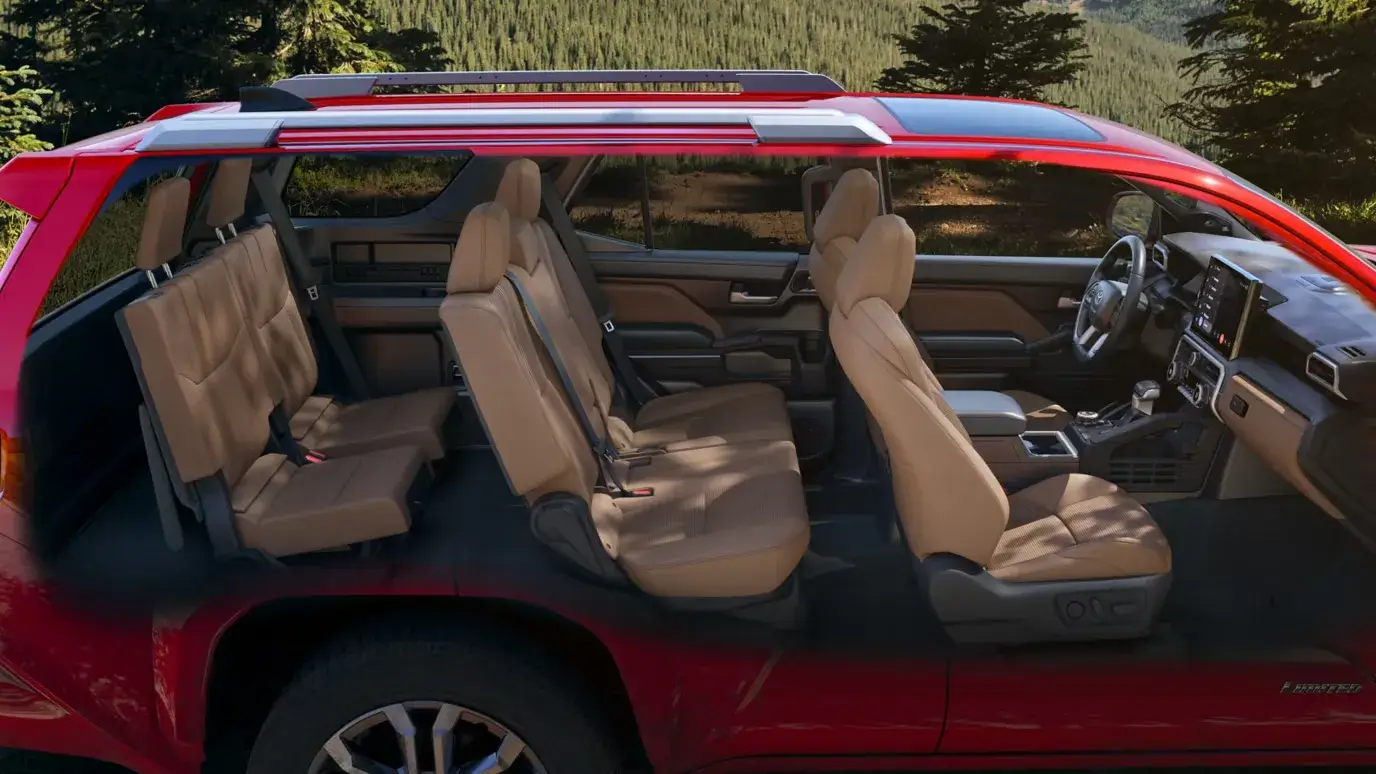
One trade-off deserves emphasis before you sign anything. The hybrid battery lives under the rear cargo floor, which makes every i-FORCE MAX 4Runner a five-seater and trims cargo volume behind the second row from 48.4 to 42.6 cubic feet. The optional third row is available only on the gas SR5 and gas Limited. If you need seven seats, the hybrid is off your list entirely — and that surprises a lot of shoppers late in the process.
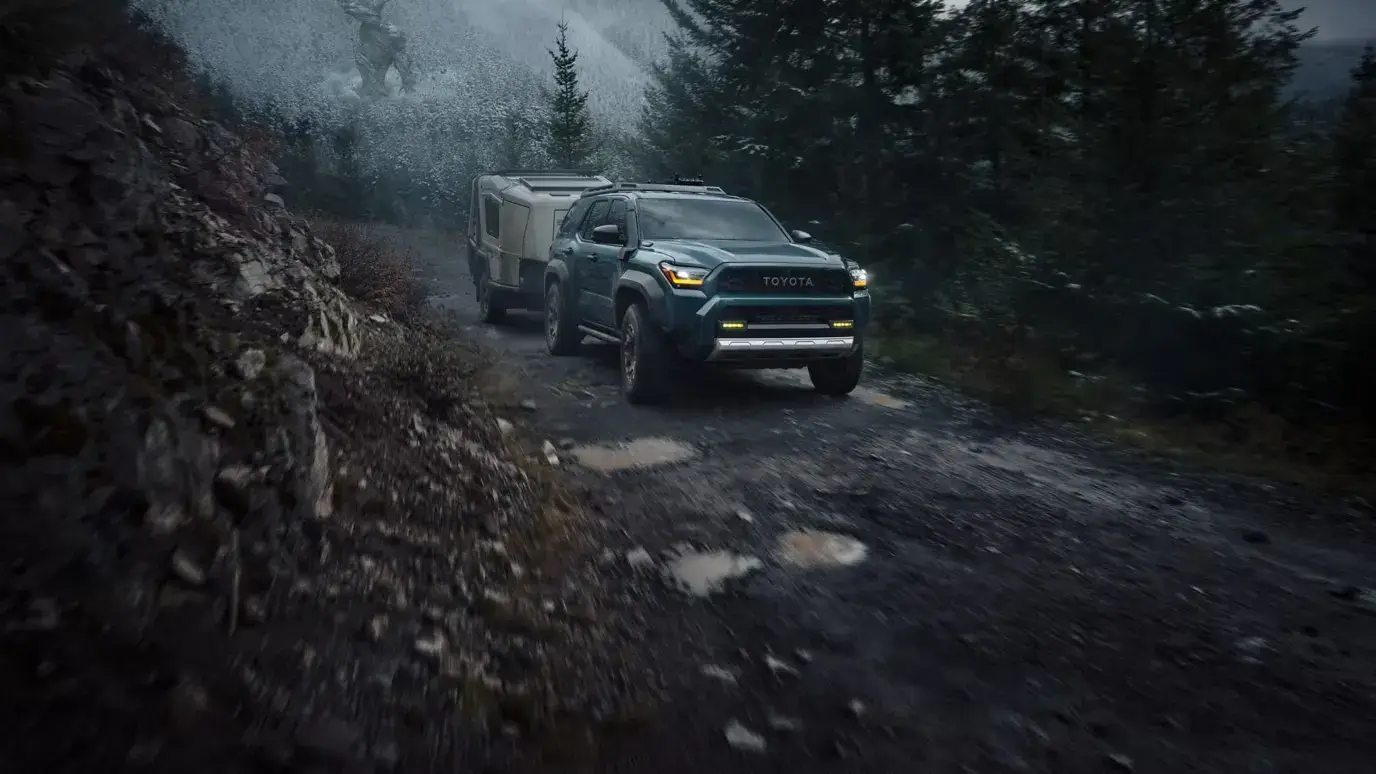
Towing is 6,000 pounds when properly equipped across most of the range. Platinum, Trailhunter and TRD Pro are rated at 5,800 pounds, a reduction that reflects their own equipment weight rather than any engine limitation. For context, a four-door Jeep Wrangler tops out at 5,000 pounds and most Ford Broncos at 3,500.
Interior, screens and the things you touch daily
Toyota resisted the industry's worst instinct here. The 4Runner kept physical climate controls, a real volume knob and chunky switchgear you can work wearing gloves — which matters more than it sounds in February.
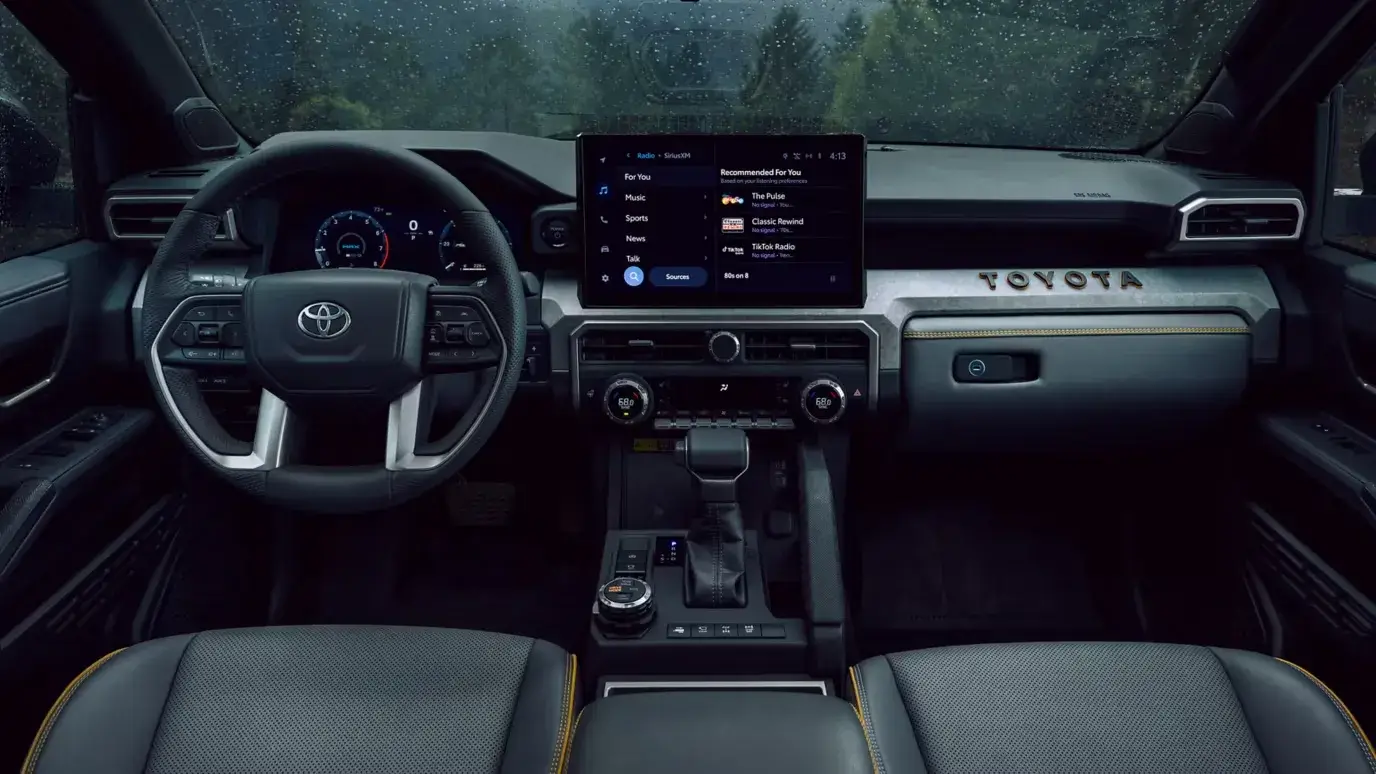
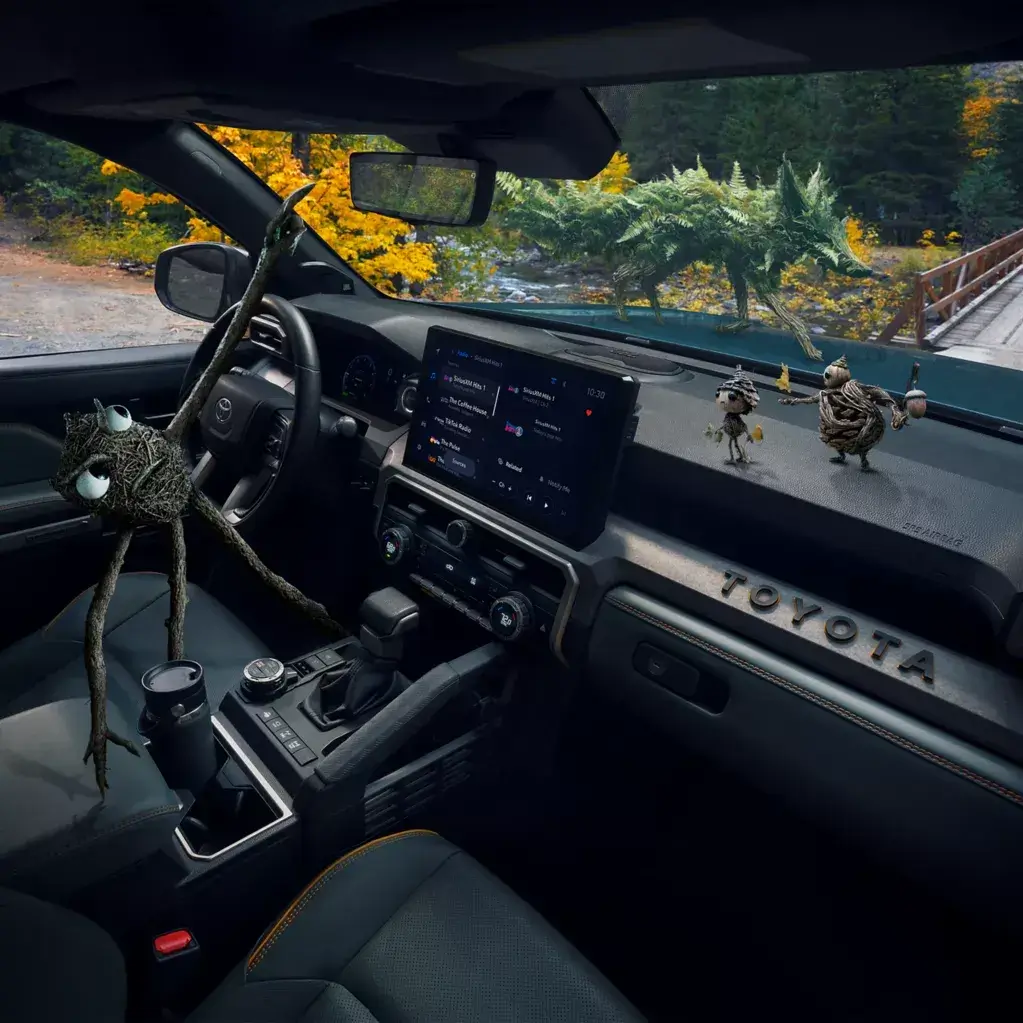
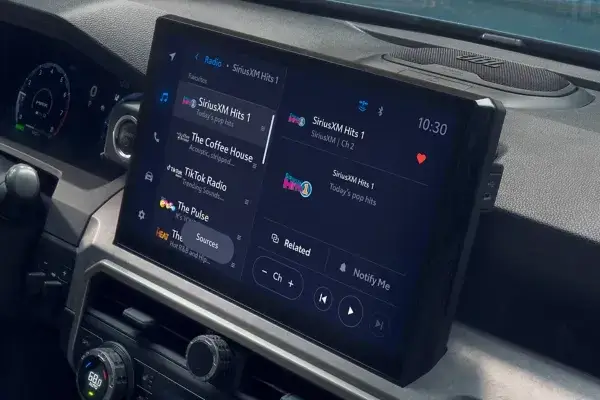
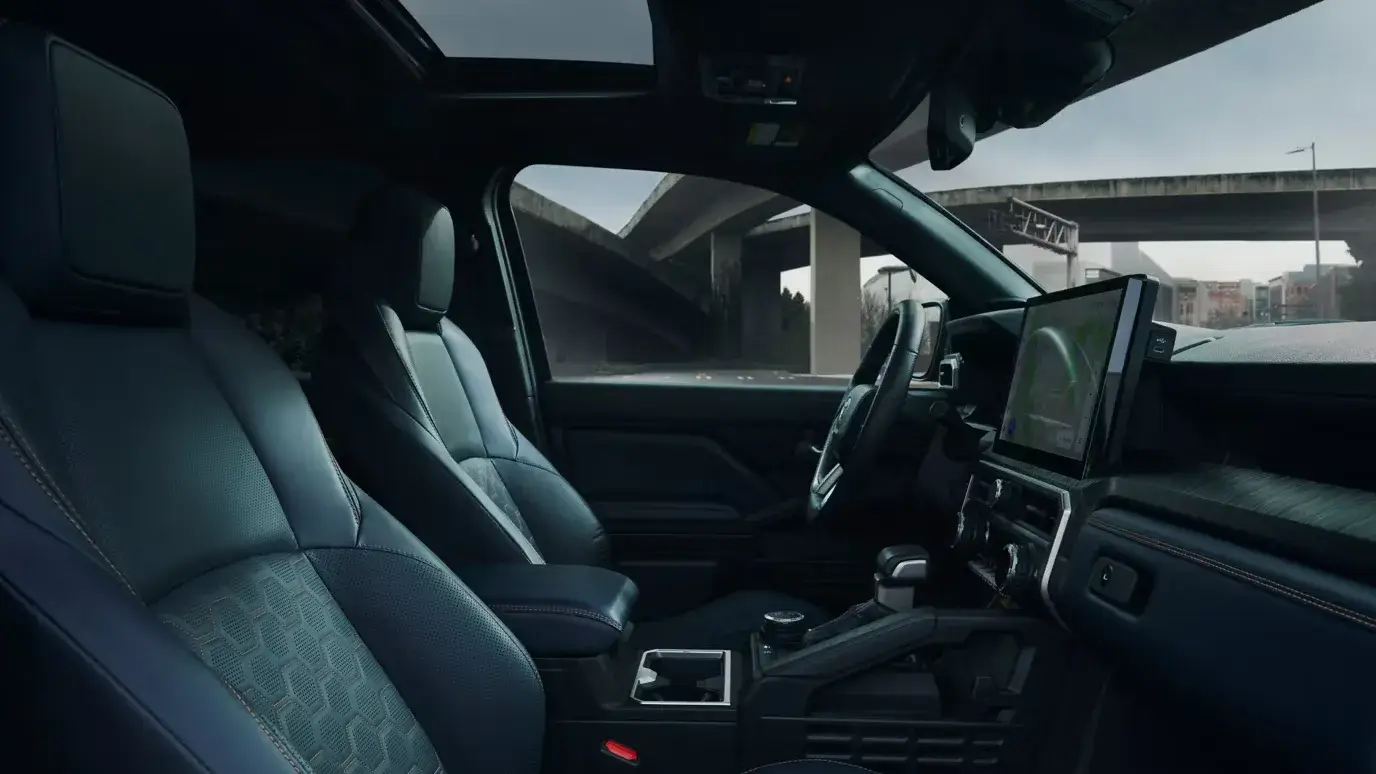
The SR5 opens with an 8-inch Toyota Audio Multimedia touchscreen and a 7-inch digital gauge cluster. Move up and you find the 14-inch touchscreen, a 12.3-inch digital cluster and JBL premium audio — including a removable Bluetooth speaker that pops out of the dash and comes to the campsite with you. Wireless Apple CarPlay and Android Auto are standard across the board, as is Toyota Safety Sense 3.0 with pre-collision braking, full-speed radar cruise and lane tracing.

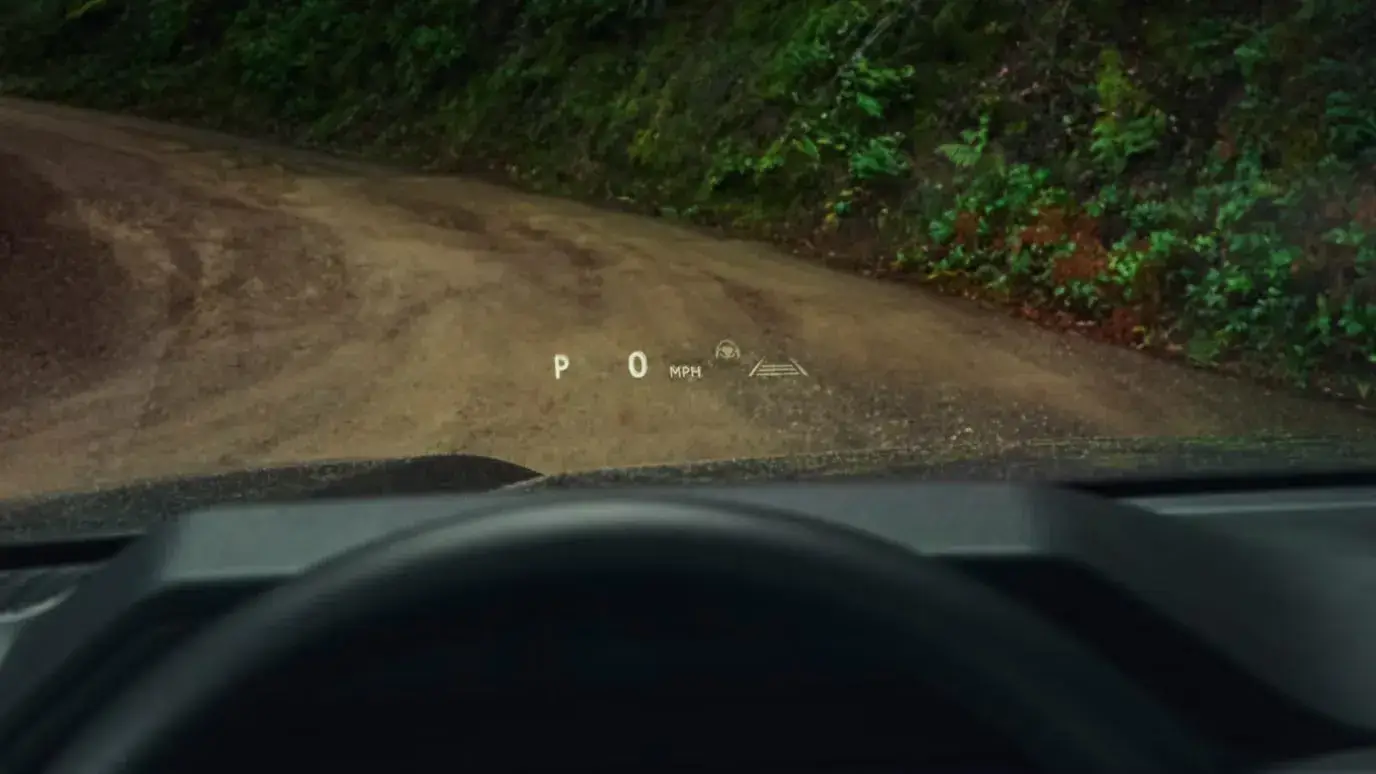
Higher grades add a color head-up display that puts speed and navigation prompts on the windshield — genuinely useful on an unfamiliar exit ramp off the Thruway at dusk.
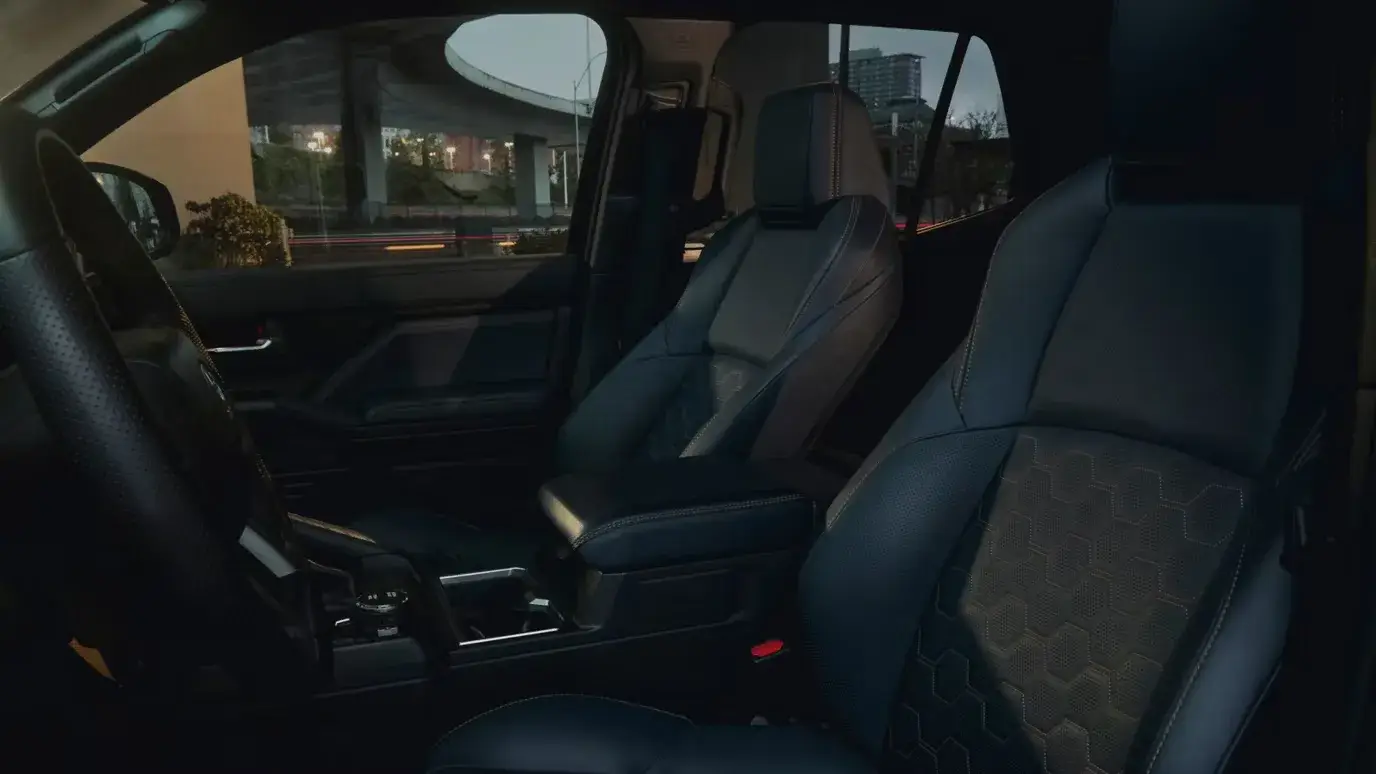
Seating runs from durable fabric on the SR5 through SofTex on the Premium grades to leather on Limited and Platinum. Heated front seats appear early in the range; ventilated fronts and heated second-row outboard seats arrive higher up.
Cargo, the third row and weekend logistics
Behind the second row a gas 4Runner holds 48.4 cubic feet, expanding to 90.2 with the seats folded. The hybrid gives up about six cubic feet to its battery. The optional third row on gas SR5 and Limited models is an occasional-use bench — right for kids on a run to the Catskills, wrong as a daily commuting seat for adults.
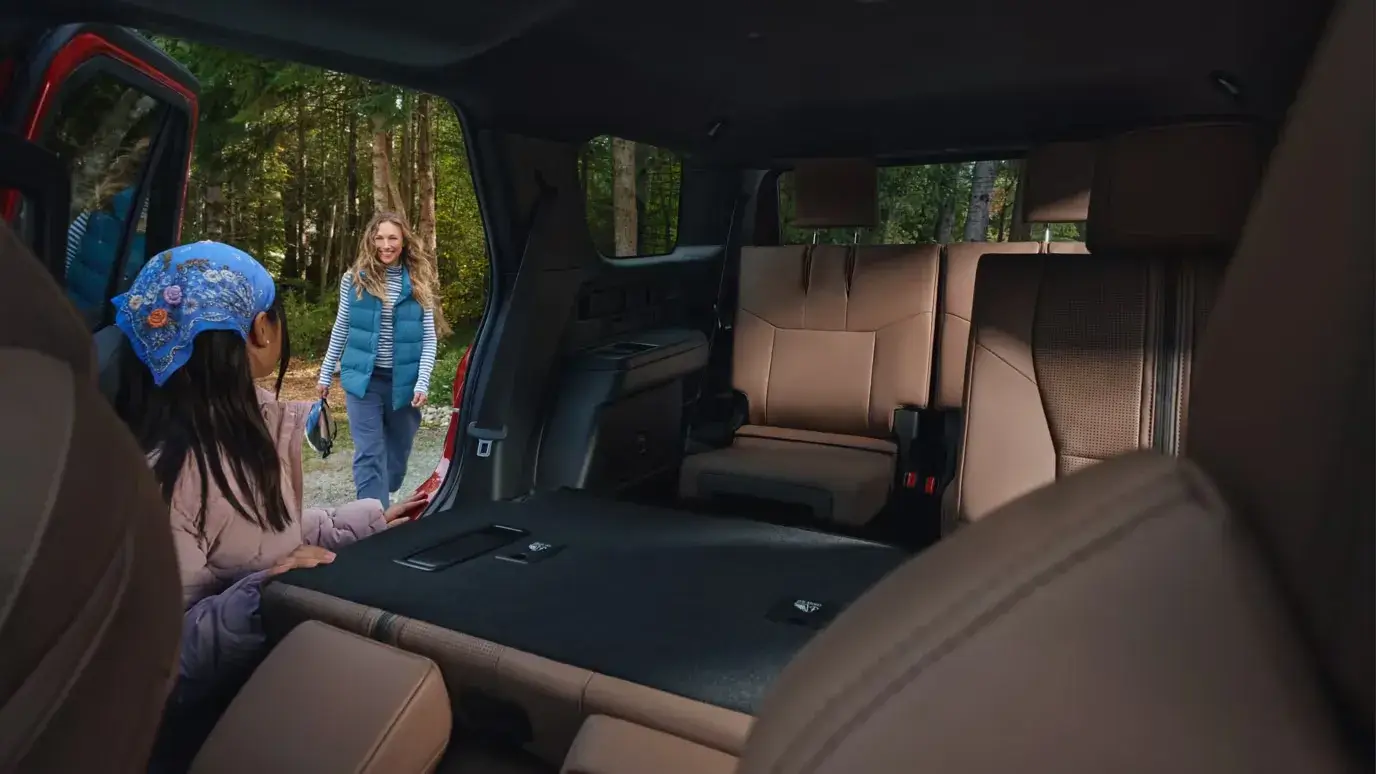
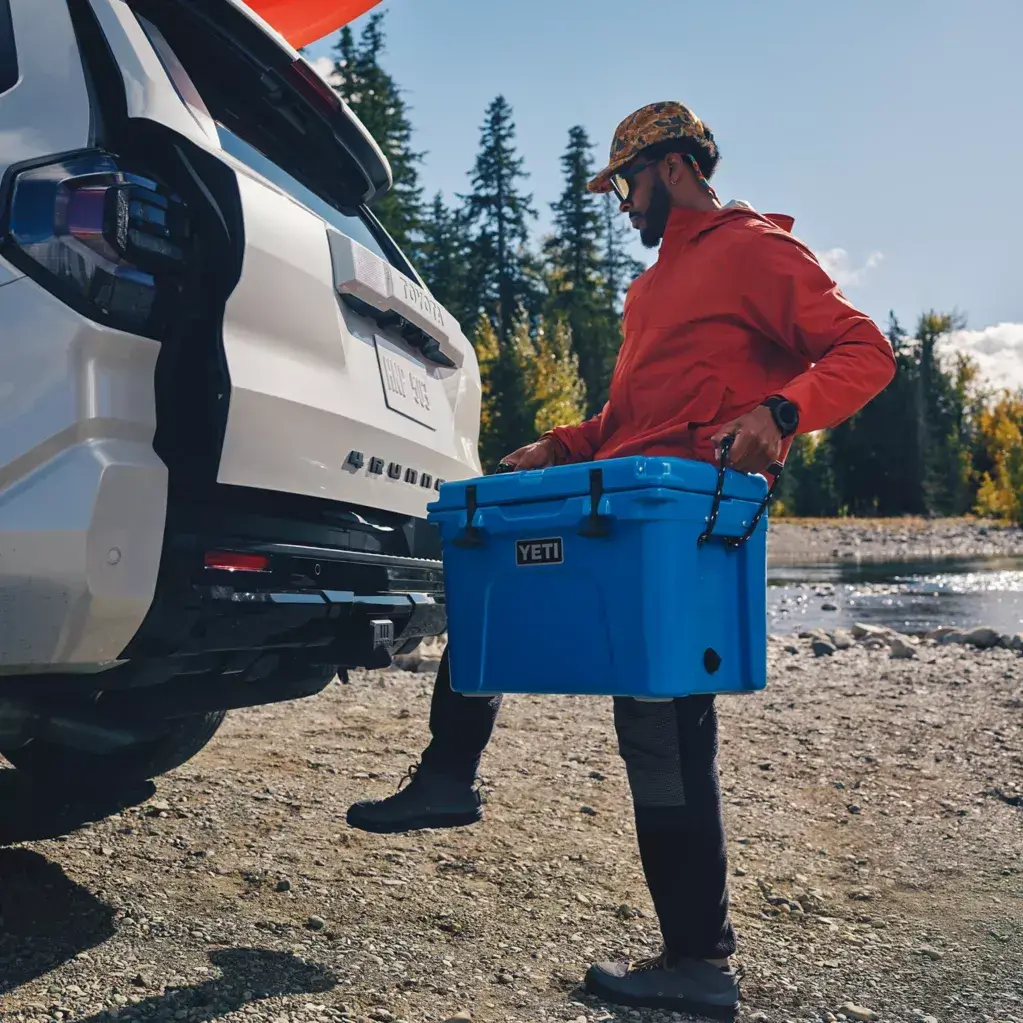
The roll-down rear window survives, and it remains one of the most quietly useful features on any SUV sold today — long lumber, wet gear, a dog who wants air. A hands-free power liftgate is available on Premium grades and above, which is worth every dollar the first time you approach the truck with a kayak on one shoulder and groceries in the other hand.

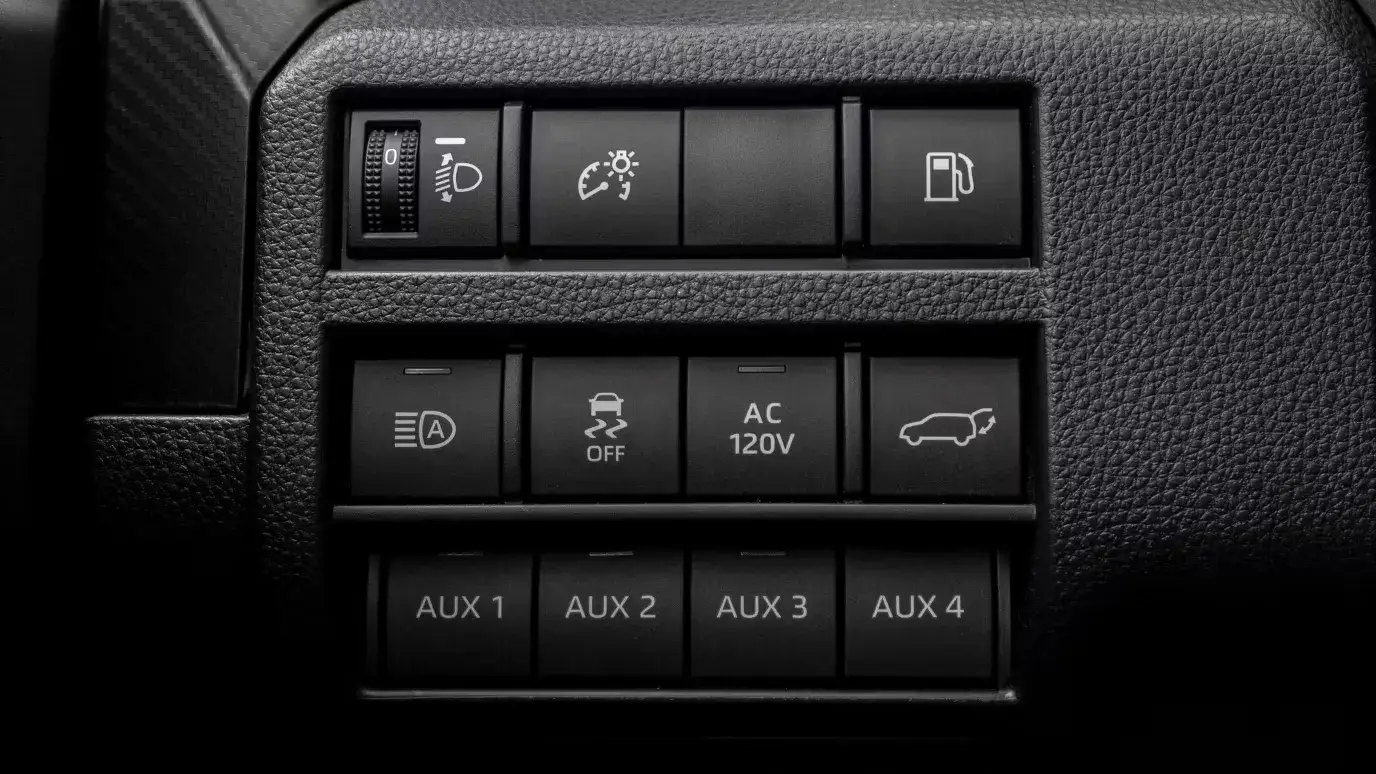
Higher grades add heated rear seats and a bank of auxiliary switches with a 120-volt outlet — pre-wired for light bars, compressors or a fridge, so you are not splicing into a harness on a truck still under warranty.
What the 4Runner does for New York drivers
Most of what gets written about the 4Runner assumes you live somewhere with a driveway and a trailhead nearby. New York ownership is a different proposition, and the truck answers it better than its off-road reputation suggests.
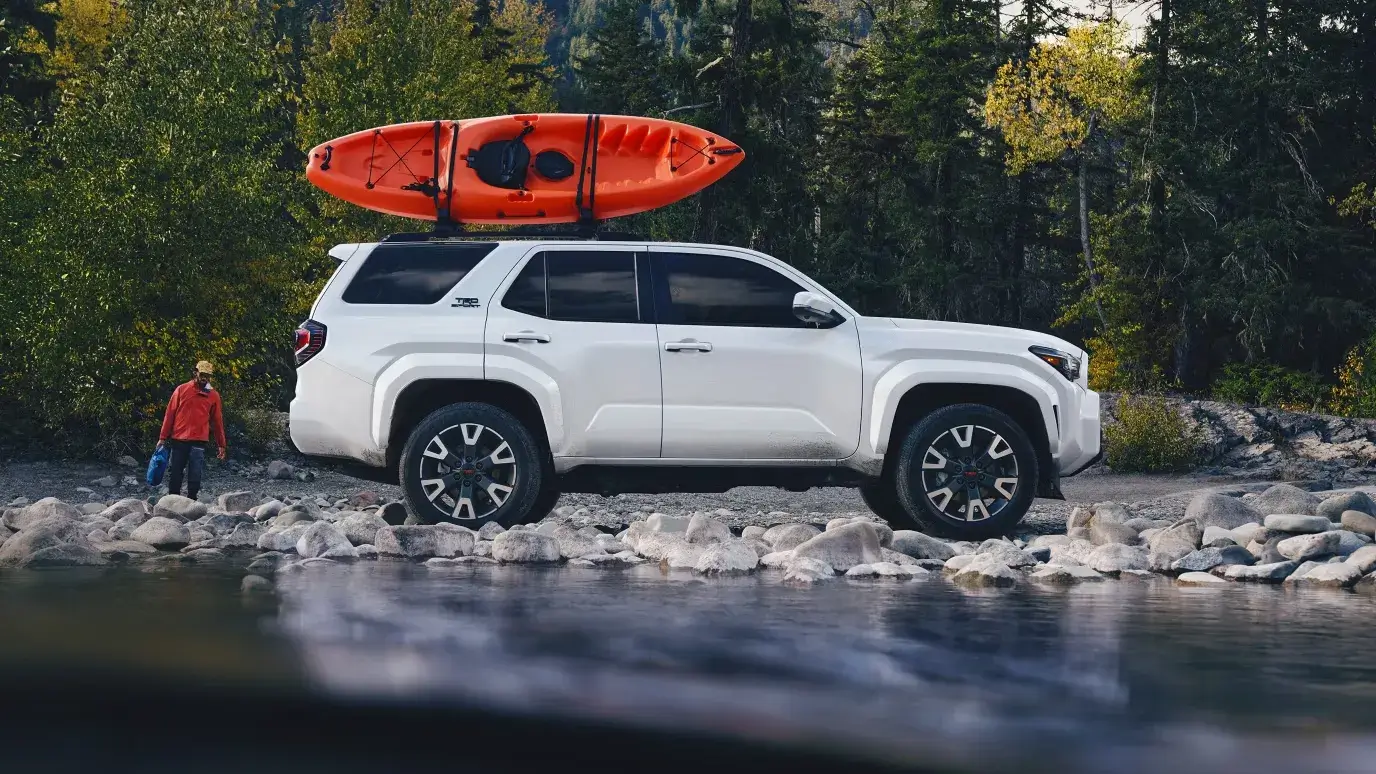
It survives the streets. Body-on-frame construction and 8.1 to 10.1 inches of ground clearance mean broken pavement, steel plates, unrepaired potholes and the aggressive speed humps on residential blocks are non-events. Unibody crossovers accumulate rattles here. The 4Runner mostly doesn't.
It handles the escape. The reason most New Yorkers buy this truck is what happens on Fridays — I-87 to the Catskills, I-80 into the Poconos, Route 17 to the Adirondacks, the Taconic when the weather turns. Two-speed transfer case with real low range, up to 6,000 pounds of towing, and a factory roof rack rated for a cargo box mean the truck does not become the limiting factor in your plans.
It parks better than you'd expect. At 194.9 inches long, the 4Runner is shorter than a Grand Highlander and only marginally longer than a Honda Passport. It is a midsize SUV wearing a full-size attitude. A 39.4-foot turning circle is manageable on most one-way streets.
It holds its money. This is the New York argument. Insurance, parking and registration already make a vehicle expensive to keep here, so depreciation is the one large cost you can actually control. The 4Runner leads every SUV sold in America on resale value per Kelley Blue Book, and Toyota took KBB's Best Resale Value brand award for 2026 — its tenth win and sixth consecutive year. Three years from now, that gap is your down payment.
It starts in the cold and keeps going. A truck that regularly clears 200,000 miles with routine maintenance is a rational purchase in a city where a repair means a tow, a shop appointment and a week of subway rides. Our service department offers pickup and drop-off across the entire NYC metro area, so a maintenance visit doesn't have to cost you a workday.
Awards and recognition worth knowing
The 4Runner's trophy case is built on the least glamorous and most valuable metric there is. Kelley Blue Book named it the SUV with the best resale value in America for 2026, projecting 58 percent value retention at five years — the top figure in the entire SUV field and a place among KBB's ten best across all vehicle types.
Toyota as a brand took KBB's 2026 Best Resale Value: Brand award, the tenth time it has done so and its sixth consecutive win, on a brand-wide average of 53 percent. Toyota's 4Runner, Tacoma, Tundra, Sienna and GR Supra all placed in the top ten individually. Consumer Reports has rated the current 4Runner's predicted reliability well above segment average, and the sixth-generation truck has drawn consistent praise for delivering meaningfully more refinement than the truck it replaced without giving up the hardware that made the nameplate matter.
Cross-shop the whole segment without moving your car
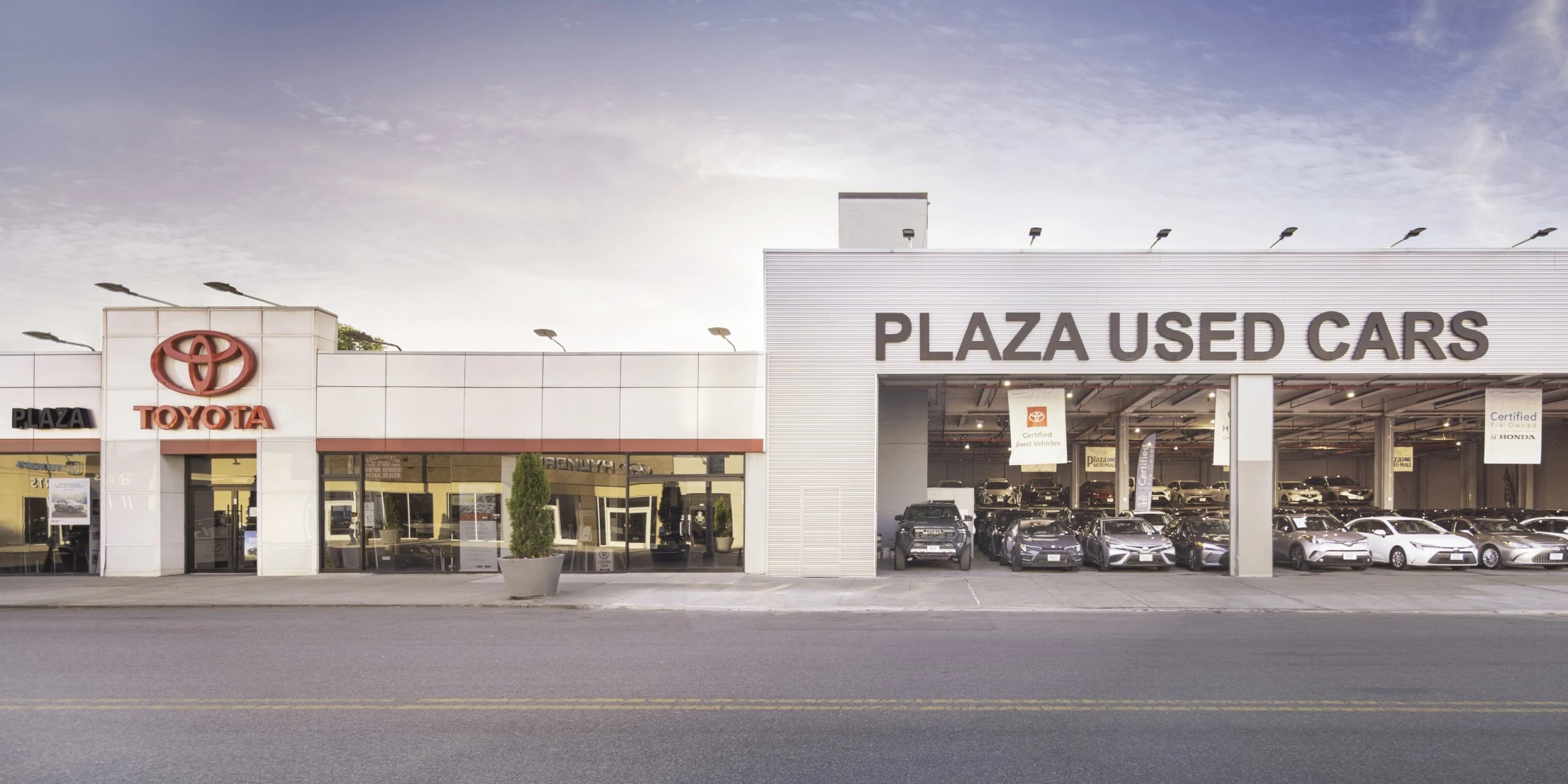
Plaza Toyota is part of Plaza Auto Mall, family-owned on Nostrand Avenue since 1975: five new-vehicle brands, a certified pre-owned program for each, and a multibrand used operation covering makes we don't sell new — over 1,000 vehicles in stock, all within a seven-minute walk.
That geography earns its keep for a body-on-frame shopper, because the honest cross-shop list is short and it isn't all Toyota. Drive a 4Runner TRD Off-Road, then walk to a Honda Passport and a Kia Telluride the same afternoon. Need three usable rows instead of an occasional bench? The Grand Highlander, Hyundai Palisade and Honda Pilot are all a short walk away. Staying in the family but going bigger, the Sequoia and Land Cruiser share the 4Runner's platform, and Acura of Brooklyn sits on the same block for anything more premium.
One appointment, one trip, one salesperson. That is the whole idea.
Our team speaks:
- English
- Spanish
- Russian
- Ukrainian
- Georgian
- Arabic
- French
- Urdu
- Punjabi
- Bengali
- Uzbek
- Tajik
- Turkish
- Haitian Creole
- Polish
- and beyond


Shopping a 4Runner at Plaza Toyota
Arrive with the numbers already settled. Our pre-approval asks for no Social Security number and no date of birth, and returns a real payment range before anyone touches your credit.
Then stack what's available: lease specials refresh monthly and often combine with factory incentives. An early trade appraisal frequently covers the walk from a TRD Sport to a TRD Off-Road on its own — and we buy cars whether or not you buy ours.
Looking below new-car money? Browse certified pre-owned Toyota models, read how the Toyota Certified program works, or search our used inventory and the wider Plaza Auto Mall used selection.
After the sale, service pickup and drop-off covers the whole NYC metro area, delivery on purchased vehicles is free within 25 miles, and Plaza Body Shop handles collision work in-house. No Hassle, No Pressure, No Middlemen.
Frequently asked questions
What is actually new on the 2027 Toyota 4Runner?
When does the 2027 4Runner arrive at dealerships?
How much will the 2027 Toyota 4Runner cost?
Should I get the gas i-FORCE or the i-FORCE MAX hybrid?
Can the 2027 4Runner seat seven people?
How much can the 2027 Toyota 4Runner tow?
Which 2027 4Runner trim makes the most sense for weekend trips out of the city?
Is the 4Runner a good value in New York specifically?
Does Plaza Toyota deliver, and what about service?
Can I get an order placed for a specific 2027 4Runner build?
What else does Plaza Auto Mall carry besides Toyota?
What if I want a used vehicle from a brand you don't sell new?
Toyota 4Runner Inventory in Brooklyn, NY
Every 4Runner below is in stock at Plaza Toyota on Nostrand Avenue and available to drive today. Filter by grade, drivetrain and color, or call ahead and we'll line up a gas TRD Off-Road next to an i-FORCE MAX so you can feel the torque difference back to back. Free delivery within 25 miles across the NYC metro area, and service pickup and drop-off throughout the city once it's yours.
